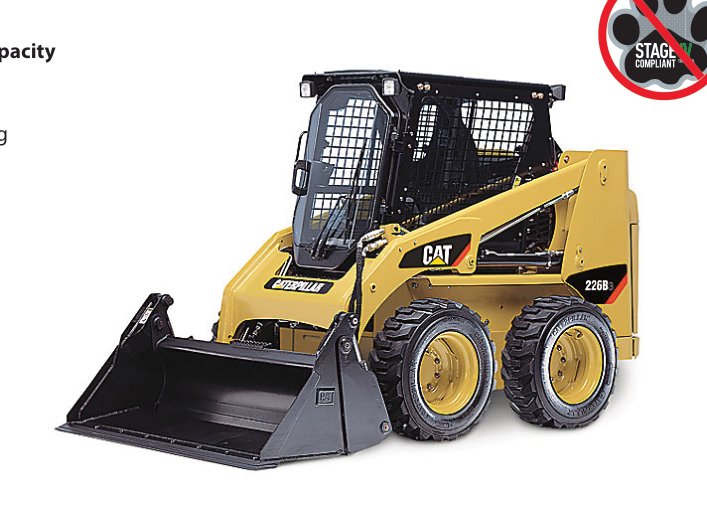
Skid-steer loaders
Data: manufacturers and Bobcat's comparison tests. Does your experience say otherwise? Tell us ↓
| Parameter | Bobcat S550 | CAT 226B3 |
|---|---|---|
| Capacity and weight | ||
| Operating weight kg | 2,841 | 2,810 |
| Tipping load kg | 1,793 | 1,360 |
| Rated operating capacity kg | 894 | 680 |
| Lift path | radial | radial |
| Engine | ||
| Engine | Kubota, 4 cylinders, 2.6 L | CAT, 4 cylinders |
| Engine power kW | 45.5 | 45.5 |
| Fuel tank l | 93 | 58 |
| Hydraulics | ||
| Pump flow l/min | 64.7 | 61 |
| Hydraulic pressure bar | 245 | 230 |
| High Flow (option) l/min | 101 | 104 |
| Dimensions | ||
| Width mm | 1,730 | 1,550 |
| Length without bucket mm | 2,660 | 2,520 |
| Height mm | 1,972 | 1,950 |
| Wheelbase mm | 1,082 | 986 |
| Working range | ||
| Standard bucket width / volume | 1,730 mm / 272 l | 1,590 mm / 220 l |
| Bucket pivot height mm | 2,908 | 2,854 |
| Bucket dump height mm | 2,205 | 2,169 |
| Reach at max. dump height mm | 432 | 505 |
The table combines manufacturers' data and measurements from Bobcat's comparison tests (09-2019).
This comparison dates from 09-2019. A newer version of either machine may be on sale now, with different figures.
This comparison covers versions built for markets outside the EU, with engines not certified to EU emission standards; machines sold in Estonia have EU-certified engines, so engine and some other figures may differ. The CAT operating weight here is Bobcat's measurement (2,810 kg without counterweight); CAT's brochure gives 2,641 kg.
In Europe CAT now sells the 226D3, which this comparison does not cover. If you work with a 226D3, tell us how it compares with the S550.
— means the manufacturer does not publish this figure.
800 kg is within the S550's rated capacity of 894 kg and above the 226B3's 680 kg.
Calculation: 800 < 894 kg; 800 > 680 kg
With the standard buckets: about 368 bucket loads with the S550, 455 with the 226B3.
Calculation: 100,000 l ÷ 272 l = 368; 100,000 l ÷ 220 l = 455
The S550 chaincase has four pre-tensioned chains with no adjustment interval. The 226B3's chains are adjusted every 250 hours: four adjustments per 1,000 hours.
Calculation: 1,000 ÷ 250 = 4
Measurements and notes come from Bobcat's comparison tests (09-2019), in which both machines did the same jobs. These figures are not in the manufacturers' brochures. “Operator's opinion” is the personal impression of the operator who worked in the test: it is subjective, and your experience may differ.
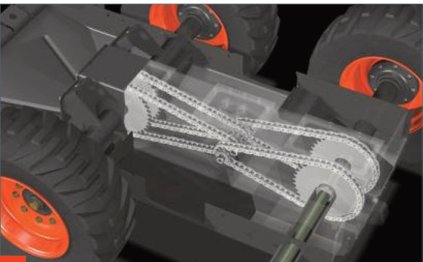
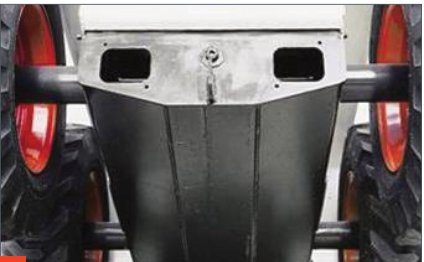
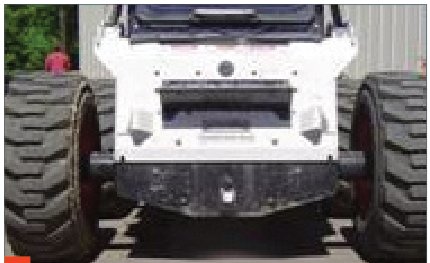
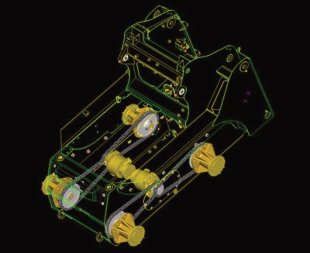
What it affects: Chain adjustment is recurring service time and cost; underside shape and clearance decide how the machine copes with mud and uneven ground.
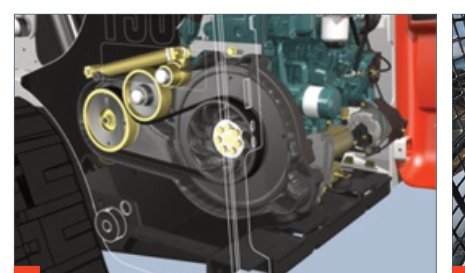
What it affects: Where the engine sits affects the balance and lift capacity; pump speed decides at what engine rpm an attachment gets its full flow, which affects fuel use and noise.
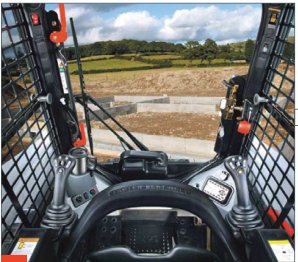
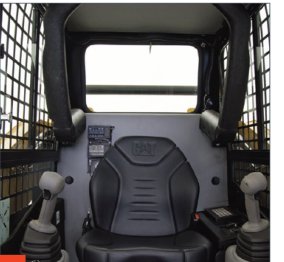
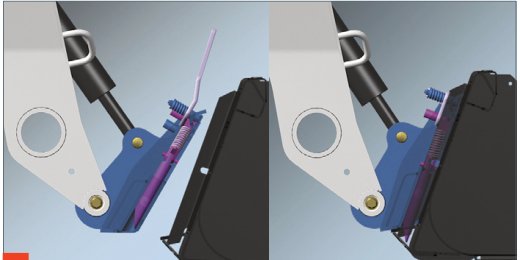
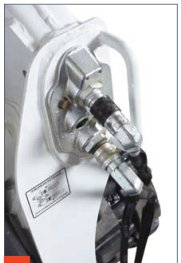
Photos: Bobcat comparison tests. CAT 226B3 overview photo: CAT.

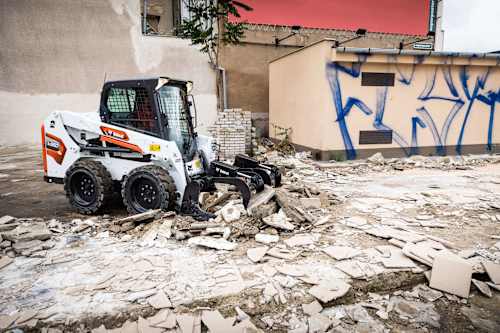
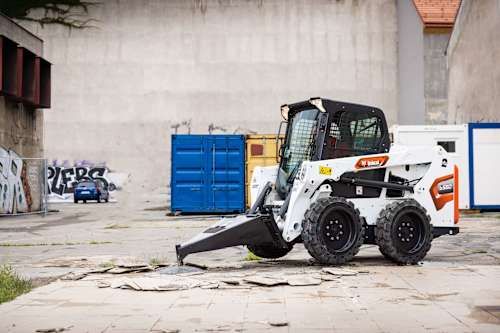
Data checked 25.09.2026. Manufacturers may change their data; figures for a specific machine depend on its configuration.




Ehitajate tee 107A
13514 Tallinn Eesti
 +372 6 511 330
+372 50 27 368
+372 6 511 330
+372 50 27 368
 bobcat@bobcat.ee